Get free shipping from $165 within USA, UK & Canada

Author name: PsychytripWorld

Psychedelics as potential mental health treatment are explored by Trump administration

Single dose of ‘magic mushrooms’ provides 5 years of depression relief, researchers find

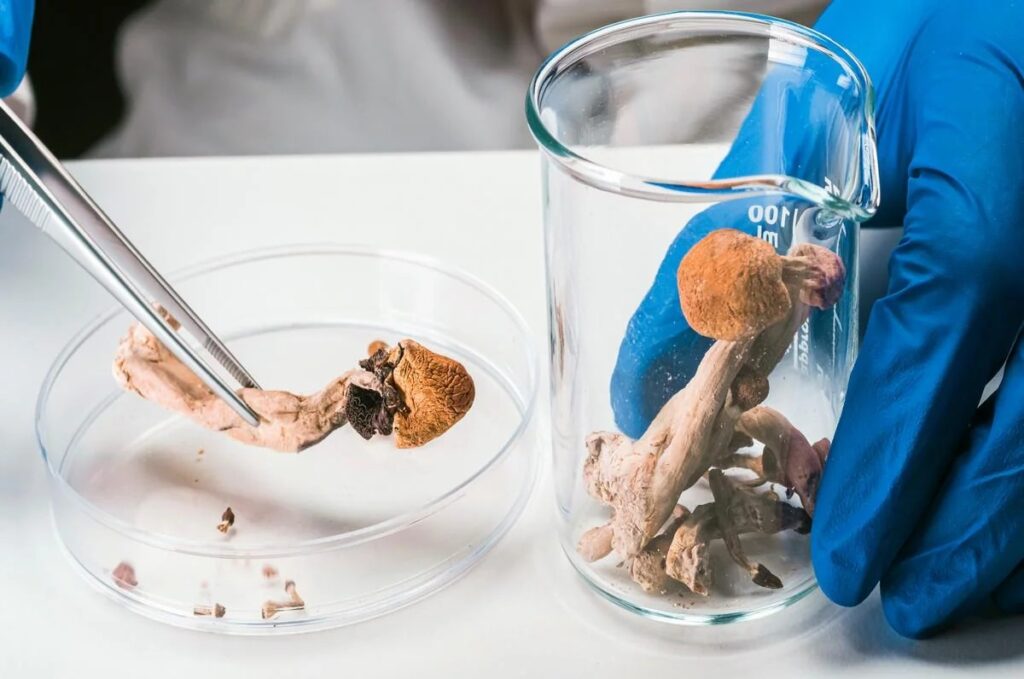
A New Era in Psychedelic Healing In a ground breaking revelation that’s sending waves through the mental health and psychedelic community, researchers have discovered that a single, carefully guided dose of psilocybin — the active compound in magic mushrooms — can provide lasting relief from depression for up to five years.The study’s findings have sparked global interest, hinting that the future of mental health treatment may lie not in daily medications but in one transformative psychedelic experience. What the Study Revealed Researchers followed participants who had undergone psilocybin-assisted therapy, a structured psychedelic session led by trained professionals. Over a five-year period, scientists recorded significant and sustained improvements in mood, emotional balance, and life satisfaction.70% of participants remained free from major depressive symptoms.Many described feeling “reset”, with renewed motivation and self-compassion.Only a few participants reported a gradual return of depressive symptoms, even after several years.These results confirm what many psychedelic researchers have long suspected: psilocybin can trigger long-term neuroplastic changes, helping the brain break free from entrenched cycles of sadness and rumination. How Magic Mushrooms Affect the Brain Psilocybin works by interacting with serotonin receptors, especially the 5-HT2A receptor, which plays a key role in mood and perception.During a psilocybin experience, activity in the default mode network (DMN) — the part of the brain linked to self-critical and depressive thinking — temporarily decreases.This allows users to experience a state of emotional openness and psychological flexibility, often described as a “mental reboot.”Afterward, the brain remains more adaptable and connected, supporting new, healthier thought patterns and behaviors. A Shift in How We Treat Depression Traditional antidepressants often require daily use and can take weeks to show effects. Psilocybin therapy, on the other hand, offers a rapid and enduring improvement in mental well-being — sometimes after a single session.Leading institutions such as Johns Hopkins University, Imperial College London, and Yale School of Medicine are now at the forefront of psilocybin research. Their collective findings are building a strong case for legal medical integration of psychedelic therapy. While psilocybin remains a controlled substance in many countries, several regions — including Oregon (USA) and parts of Canada — have begun to decriminalize or regulate psychedelic-assisted therapy.Experts stress that psilocybin should only be used under professional supervision in a safe, supportive setting. Unsupervised or recreational use carries risks, especially for individuals with underlying mental health conditions.At PsychyTripWorld.com, we support responsible exploration, harm reduction, and science-backed education about psychedelics. The Legal and Safety Considerations What This Means for the Future of Mental Health The discovery that a single psychedelic session can provide up to five years of relief from depression marks a turning point in mental health care.Psilocybin’s potential to heal the mind through profound self-reflection and emotional release may one day reshape how we treat depression, anxiety, PTSD, and addiction.As global attitudes toward psychedelics continue to evolve, magic mushrooms may soon become a cornerstone of next-generation therapy — blending ancient wisdom with modern neuroscience. Final Thoughts The future of mental health is changing — and fast. With new evidence supporting psilocybin’s long-term effects, the age of one-dose healing might be closer than we think.At PsychyTripWorld.com, we’ll continue to bring you the latest news, insights, and research on psychedelics, mental wellness, and alternative healing.
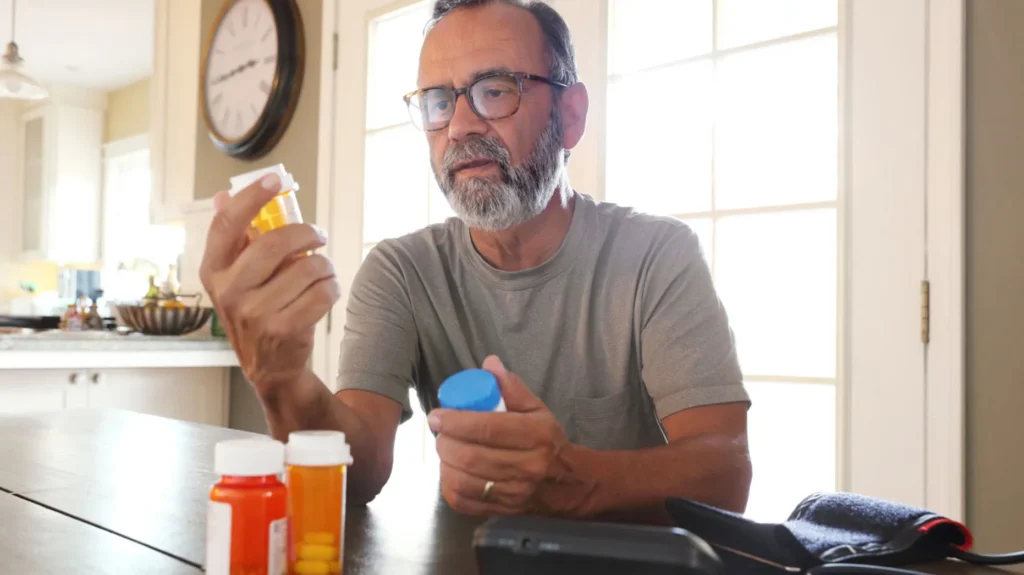
Trump administration exploring potential benefits of psychedelic treatments

Psychedelics as potential mental health treatment are explored by Trump administration

Clinical trials show MDMA and psilocybin offer new hope for treatment-resistant depression and PTSD. Trump administration exploring potential benefits of psychedelic treatment A Political Shift Toward Psychedelic Medicine In a surprising turn of events, the Trump administration is showing openness toward psychedelic-assisted therapies as part of a broader mental health reform agenda.For decades, substances like MDMA and psilocybin (the active compound in magic mushrooms) were heavily stigmatized and classified as Schedule I drugs — meaning “no accepted medical use.”Now, growing clinical evidence is changing that perception.With bipartisan support and scientific backing, the U.S. is exploring how psychedelics could become the next major breakthrough in treating depression, PTSD, and anxiety disorders. Clinical Trials: Promising Results with MDMA and Psilocybin Recent FDA-approved clinical trials have produced remarkable results.Studies conducted by the Multidisciplinary Association for Psychedelic Studies (MAPS) and top universities such as Johns Hopkins University and NYU Langone Health have demonstrated that psychedelic substances can bring lasting relief for people suffering from treatment-resistant mental health conditions. . MDMA for PTSD MDMA, commonly known as “ecstasy” or “molly,” has shown extraordinary success rates in treating post-traumatic stress disorder (PTSD).In Phase 3 clinical trials, over 70% of participants no longer met the criteria for PTSD after three MDMA-assisted therapy sessions.The treatment combines guided psychotherapy with MDMA’s ability to reduce fear and increase emotional openness, allowing patients to process trauma safely and effectively. Psilocybin for Depression Meanwhile, psilocybin has proven to be a powerful antidepressant alternative.A single guided psilocybin experience has been shown to “reset” brain activity, leading to dramatic mood improvements that can last months or even years.Participants often report enhanced emotional connection, greater self-understanding, and a renewed sense of purpose — without daily medication. A Turning Point for U.S. Mental Health Policy As the mental health crisis continues to grow, the Trump administration is exploring how innovative psychedelic treatments could complement or replace traditional therapies.Officials have acknowledged the urgent need for new solutions for veterans and civilians struggling with PTSD and major depressive disorder.Sources within the administration have hinted at potential fast-tracking of FDA approvals for MDMA-assisted therapy, which may become legally available in supervised clinical settings within the next few years. This marks one of the most significant policy shifts in modern U.S. drug history — recognizing that controlled, evidence-based use of psychedelics may offer real healing potential. Why Psychedelics Work Differently Unlike conventional antidepressants that often mask symptoms, psychedelics target the root cause of emotional suffering.They temporarily disrupt rigid patterns of thought and allow patients to experience deep self-reflection and emotional release.Brain imaging studies show that both MDMA and psilocybin increase connectivity between different brain regions, fostering new perspectives and empathy toward oneself and others.In guided therapeutic environments, these substances act as catalysts for breakthrough healing experiences that traditional medication alone rarely achieves. The Road Ahead Though research results are promising, experts emphasize that psychedelic therapy must be done responsibly, under professional guidance, and within a safe clinical framework.Self-medication or unregulated use can pose serious psychological risks.Still, with continued government attention and scientific validation, the United States may soon witness the official integration of psychedelics into mainstream psychiatry.The Trump administration’s exploration of these treatments could accelerate a global movement already underway — one that challenges outdated stigmas and prioritizes healing over punishment. Final Thoughts As evidence continues to mount, psychedelics like MDMA and psilocybin are redefining what’s possible in mental health treatment.The Trump administration’s willingness to explore these therapies signals a historic moment: a shift from fear to understanding, from prohibition to potential healing.At PsychyTripWorld.com, we’ll continue to track the evolution of psychedelic research, government policy, and breakthroughs that bring hope to millions worldwide.

FDA rejects MDMA as psychedelic-based treatment for mental health, PTSD

FDA rejects MDMA as psychedelic-based treatment for mental health, PTSD

The agency has requested that Lykos Therapeutics conduct another Phase 3 trial to confirm safety and efficacy Marine veteran pushes for use of psychedelic-assisted therapies for PTSDJuliana Mercer The U.S. Food and Drug Administration (FDA) announced Friday its rejection of MDMA as a treatment for PTSD.The decision was based on “significant limitations” that “prevent the agency from concluding that the drug is safe and effective for the proposed indication,” the FDA stated, according to The Associated Press. MDMA, also known as ecstasy or molly, is a psychedelic drug with effects that are similar to methamphetamine, according to the National Institute on Drug Abuse. FDA PANEL REJECTS MDMA-ASSISTED THERAPIES FOR PTSD DESPITE HIGH HOPES FROM VETERANS Veteran organizations have long been advocating for approval of psychedelic-assisted therapies to treat mental health challenges. The U.S. Food and Drug Administration announced Friday its rejection of MDMA as a treatment for PTSD. (iStock) The FDA’s decision comes nearly eight weeks after an FDA advisory committee voted 10-1 against the overall benefits of MDMA in treating PTSD. The FDA has requested another Phase 3 trial to confirm the drug’s safety and efficacy. Lykos Therapeutics, the California company that filed the drug application, said it plans to meet with the FDA to appeal the decision, according to reports.  MARINE VET TOUTS BENEFITS OF PSYCHEDELIC-ASSISTED PTSD DRUGS AS FDA CONSIDERS MDMA APPROVAL “The FDA request for another study is deeply disappointing, not just for all those who dedicated their lives to this pioneering effort, but principally for the millions of Americans with PTSD, along with their loved ones, who have not seen any new treatment options in over two decades,” Amy Emerson, the Lykos CEO, said in a statement from the company. “While conducting another Phase 3 study would take several years, we still maintain that many of the requests that had been previously discussed with the FDA and raised at the Advisory Committee meeting can be addressed with existing data, post-approval requirements or through reference to the scientific literature. Veteran organizations have long been advocating for approval of psychedelic-assisted therapies for treating mental health challenges. (iStock) An FDA spokesperson released a statement regarding the decision. “As discussed at the Advisory Committee meeting, there are significant limitations to the data contained in the application that prevent the agency from concluding that this drug is safe and effective for the proposed indication.”  “The FDA request for another study is deeply disappointing, not just for all those who dedicated their lives to this pioneering effort, but for the millions of Americans with PTSD.”— Lykos Therapeutics Regarding the need for additional treatments for PTSD and other mental health conditions the agency said it encourages further research and development to “further innovation for psychedelic treatments and other therapies to address these medical needs.” PharmAla Biotech, a Toronto-based company focused on researching, developing and manufacturing novel derivatives of MDMA, reacted to the decision in a statement sent to Fox News Digital.      “USA FDA has an important responsibility to get things right, and we believe that they are acting in good faith. However, there is a vitally important patient need for novel PTSD treatments, which must be balanced with that prudency,” said Nicholas Kadysh, CEO of PharmAla Biotech.  Ecstasy pills  (Reuters) “MDMA is not only supported by a significant evidence base of published clinical trial research, but is also being actively used in patient treatments in two jurisdictions, Canada and Australia, entirely supplied by PharmAla.” Kadysh added that the company is committed to ongoing research to “convince even the most skeptical regulators that this medicine is both safe and effective.” Joe Perekupka, CEO of Freespira, the Washington-based company that makes an FDA-approved digital therapeutic for PTSD and anxiety, also reacted to the decision. There have not been any new treatment options for PTSD in over two decades, according to a statement from Lykos Therapeutics. (iStock) “The FDA’s recent decision on MDMA underscores the complex landscape of mental health treatments. At Freespira, we recognize the urgent need for additional effective PTSD treatments, but support the FDA’s commitment to patient safety when reviewing potential new treatments,” he said in a statement to Fox News Digital. For more Health articles, visit www.foxnews/health”We believe in the importance of diverse treatment options and will continue to focus on our mission of democratizing access to advanced mental health care through our patient-centric model.”

Psychedelics as potential mental health treatment are explored by Trump administration

Elon Musk reveals why he takes ketamine, denies abusing the drug: ‘I should keep taking it’

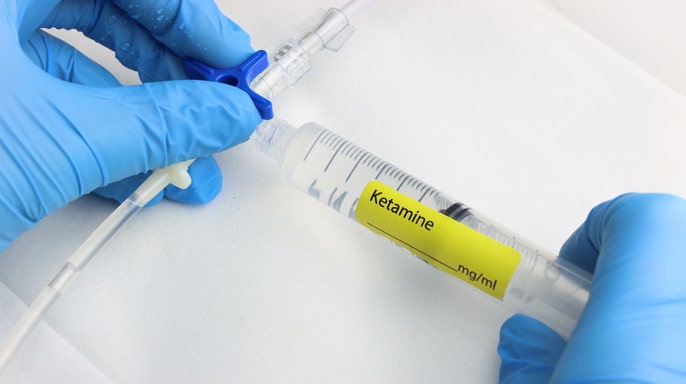
Elon Musk Opens Up About His Ketamine Use in a rare and candid revelation, Tesla and SpaceX CEO Elon Musk has opened up about his use of ketamine, saying it has helped him manage episodes of depression and maintain productivity — but firmly denied any claims of drug abuse.Speaking about his mental health, Musk stated, “Ketamine helps when I have a negative chemical state — depression that isn’t linked to any real problem. It’s a chemical thing. So yes, I take a small dose occasionally, aKetamine Pillsnd I should keep taking it.” What Is Ketamine and Why Are People Using It for Depression? Ketamine, originally developed as an anesthetic, has in recent years gained attention for its rapid antidepressant effects. Clinical studies have shown that low doses of ketamine can lift mood within hours, especially in people with treatment-resistant depression — those who don’t respond to traditional antidepressants.Researchers believe ketamine works by stimulating glutamate receptors in the brain, promoting neural growth and restoring healthy brain function. The result? A fast-acting relief from symptoms of sadness, hopelessness, and fatigue. Musk’s Honesty Sparks a Global Conversation Elon Musk’s openness about using ketamine isn’t just a personal confession — it’s fueling a larger public conversation about mental health and psychedelic medicine.As the world’s richest man, Musk’s influence on public perception is massive. His willingness to discuss his mental health struggles and alternative treatments like ketamine is helping to destigmatize As the world’s richest man, Musk’s influence on public perception is massive. His willingness to discuss his mental health struggles and alternative treatments like ketamine is helping to destigmatize psychedelic therapies. Social media platforms have since been flooded with both support and skepticism, as users debate the implications of a tech billionaire endorsing a psychedelic substance for mental wellness. Is Ketamine Safe? Experts Weigh In Medical experts caution that while ketamine can be effective for depression when used under supervision, it also carries risks. Unregulated or recreational use may lead to dependency, dissociation, or bladder issues.“When administered in a controlled clinical setting, ketamine has shown remarkable benefits,” says Dr. Amelia Ross, a neuropsychiatrist studying psychedelics.“But it’s important to differentiate between medical use and casual experimentation.” Ketamine Clinics Are Growing Rapidly in the U.S. Since the FDA approved esketamine (Spravato) — a nasal spray derived from ketamine — the number of ketamine infusion clinics in the United States has skyrocketed.These centers offer controlled treatments for depression, anxiety, PTSD, and even chronic pain.Many patients report long-term relief after just a few sessions, suggesting that psychedelic-assisted therapy may be the future of mental health treatment. Elon Musk and the Future of Psychedelic Medicine Musk’s statement adds to a growing trend of public figures embracing psychedelics as mental health tools. From Silicon Valley innovators to military veterans, more people are turning toward mind-altering medicines in search of healing and creativity.As Musk continues to push boundaries in technology and space exploration, his endorsement of ketamine may also push society toward a more open and science-based view of psychedelic substances. Final Thoughts Elon Musk’s revelation isn’t just another celebrity headline — it’s a reflection of a global shift in how we view mental health, medication, and the mind.While his approach may not be for everyone, his honesty encourages a much-needed dialogue about depression, self-care, and alternative therapies.At PsychyTripWorld.com, we believe in exploring these stories to inspire awareness, understanding, and curiosity about the future of psychedelic science. The drug can be administered in multiple ways, but the primary methods are by nasal spray (esketamine) or IV infusions (ketamine). (iStock) “Ketamine provides rapid relief of symptoms, sometimes in as little as a few weeks,” said Prueitt. “Patients can experience improved mood, renewed optimism and reduced negative thoughts. “When administered in an “appropriate treatment setting” with an experienced medical team, ketamine is generally “very safe,” according to Prueitt.

Shopping Cart
Scroll to Top